Television and Sports Controversy

“THEY DID WHAT!?”

conor-mcgregor

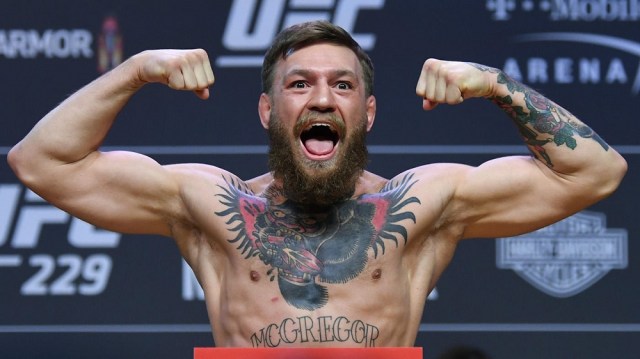
The sports industry is not just sports… Overall, it is the entertainment industry and many see it simply as just entertainment. With entertainment comes stories, and with good stories comes viewers. Sadly there are people in this world willing to ruin one athletes career/ image in order to get a story that entertains the audience. Lazarsfeld‘s Two- Step flow model explains how people believe what they hear whether it is from a reliable source or not. Not only are sources an issue, but because television is 24/7, that means they need content 24/7. In result, stories will be followed hour by hour or day by day, leading the audience to develop an opinion on these athletes through media and rumors that are not necessarily true. Television and other forms of media have left athletes with a platform that can easily change the worlds perspective on them, even if it is just one small event. Forbes states, “the way that social media has impacted the sports industry has been profound.”

Media’s Effect On Athlete’s Performance
barkley

Imagine going into work everyday knowing the whole world is watching. If you make a mistake, it will end up in some form of media. Well, that is what these athletes deal with on a daily basis. According to The Sport Journal it actually does effect athletes performance. Psychology Today states, “the biggest area in which athletes are finding more and more difficulty is in the simple act of focusing” due to social media.

Mental Effects

Television and social media put an enormous amount of stress on athletes and it certainly has an affect on athletes mental health. On top of the impact athletes bodies have to deal with, they also have to worry about what the whole world has to say about them. In a study done by Sports Medicine (Auckland, N.Z.), “the findings suggest that elite athletes experience a broadly comparable risk of high-prevalence mental disorders relative to the general population” (NCBI).

No Negative Nancy’s

chairty.jpg

I hate to be a negative Nancy and make television sound like a terrible thing for sports, because we all know it is not. Of course there are plenty examples of bad stories and framing on athletes, however there are also an endless amount of amazing stories that show how important athletes are to our society. All Research Journal states, “the increasing attractiveness of the mega sports happenings in the last 100 years has an international influence on all sports viewers and a gigantic addition of cash.” I am sure the payroll these athletes receive make all the negative backlash they receive worth it. Overall, television plays a negative and positive roll in the sports industry and that is something athletes have to go in knowing in order to have a lengthy, successful career.

Sources:

The Sport Journal

Psychology Today

Forbes

All Research Journal

Sports Medicine (Auckland, N.Z.)


Endorsements

The Beginning

babe ruth

Before television, endorsements still played a major factor in sports. Small Business states, “before the widespread distribution of television, some of the earliest celebrity product endorsers were professional athletes. Babe Ruth endorsed Wheaties cereal” (Small Business). Thanks to television, endorsements just became even more important, and a lot more money became involved. The rise of television played a huge factor for not only how sports were viewed for entertainment, but also the way the business was ran. Television gave athletes a platform to build up an even bigger fan base for not only the team they played on, but also the individual players themselves. Great athletes were no longer just “great athletes,” they were superstars.

Effective?

YES. Using star athletes to increase sales in products is very effective. After a study done by Gaurav Pant from Bharati Vidyapeeth Deemed University, his findings revealed “that brand endorsement of any sports product by a star or exceptional athletes can really increase the consumer” (Research Gate).

Contracts vs. Endorsments 

lebron-james-endorsements

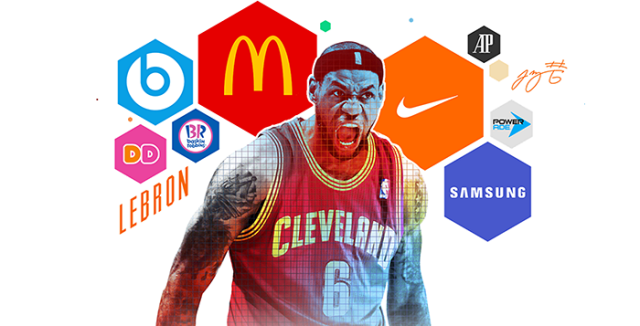
Lebron James is one of the greatest athletes today, as well as one of the most popular. Television and social media has allowed Lebron to grow his popularity, resulting in companies willing to pay big bucks to use his face and name to promote their product/brand. According to Investopedia, “In the second year of his deal with the Miami Heat, LeBron raked in $12,880,000. Nevertheless, he brought in almost three times as much ($33,000,000) by simply allowing his name and face to appear on products” (Investopedia). More and more companies are using superstar athletes as the face of their product and it is very effective. Dr. Karla McCormick of Florida State University writes, “in 2010, U.S. companies paid nearly $17.2 billion to leagues, teams, athletes, coaches, and sports personalities to endorse their goods and services” (NSGA).

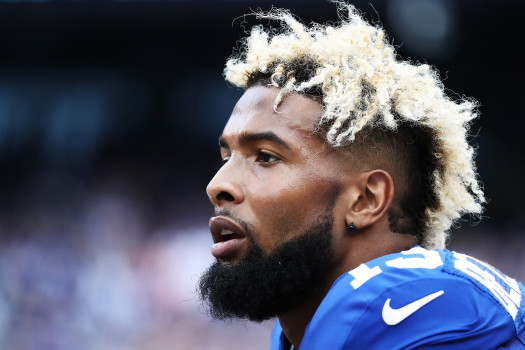
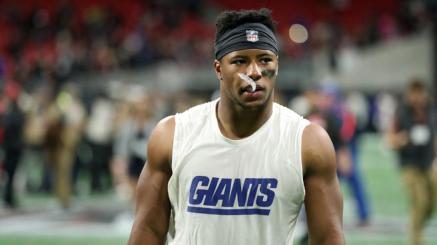
Another huge endorsement deal from a superstar athlete is Odell Beckham Jr. and Nike. 24/7 Sports states, “even if the Giants pick up his fifth-year rookie option, the contract will still be less than the five-year, $25 million endorsement deal he just signed with Nike” (24/7 Sports). In many cases, athletes contracts are smaller than their endorsement deals.

On behalf of all athletes with endorsement deals… Thank you television.

Baltimore Ravens v New York Giants

Sources:

Investopedia

Small Business

NSGA

24/7 Sports

Research Gate

Television and Sports Coverage

tickets and sports

Stadiums vs. Television

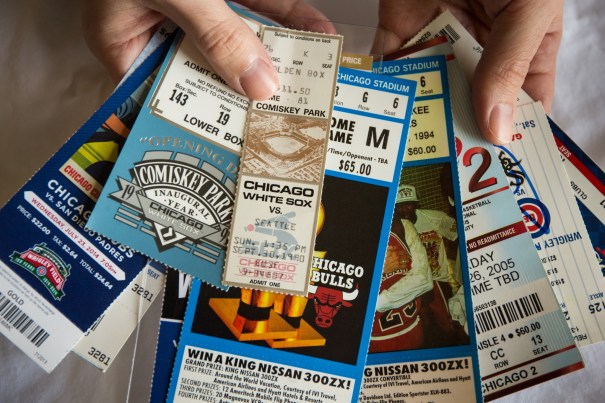
Traditionally, there was one way to watch sporting events. You would buy a ticket and go to the game. Sports coverage over the years has changed tremendously, leading us to the media dependent industry we see today. The rise in Television has influenced the growth of sports allowing sports teams and players to become part of viewers everyday life.

sports tv

Before television, you were either at the game or you heard about what happened through word of mouth. Once television came along, it allowed sports fans to tune into games straight from their home at their own luxury. Ironically with the convergence of sports, it allowed enormous growth. Although this was great for the viewers, it hurt many of the sports franchises that weren’t very good. Instead of going to the stadium to watch your hometown team compete (this use to be your only option to watch sports), television now gave fans the opportunity to watch teams all around the world. Fans now have the ability to watch and cheer for teams from different areas, where in the past, you might not have been a fan of due to the lack of connection to the team. As you can probably guess, this benefited the good teams and hurt the bad teams. Not only did television effect the teams and fans directly, but also the community. “New York Police reported since Monday Night Football came on the air arrest dropped 16%” – VHS Classics. Over all, television and media has had a positive effect on the sports industry. a study from Science Direct states, “our research shows that there is a positive correlation between the respondents participation in digital social networks and new media literacy.”

Commercials

With the emergence of television, also came the emergence of commercials. Marketing Charts states, “an average TV hour is 36% commercials” (Marketing Charts). Advertising and marketing in the sports world clearly plays a huge roll. According to the Sports IllustratedFox was able to charge five million dollars for a thirty second commercial slot for the 2017 Super Bowl (Sports Illustrated). FIVE MILLION DOLLARS! Being a sports fan myself we forget that Sports is not just entertainment, but also a very powerful business. Television opened up a whole new source of revenue in sports, giving everyone involved a platform to make a lot of money while influencing a lot of people.

Sources:

Sports Illustrated

ESPN

Marketing Charts

People

Science Direct