We all hate those commercials that come on RIGHT when the show is about to get good or your favorite song is about to come on the radio. The same thing happens with sports radio.The Sports Business Journal says that podcasts are actually becoming “advertising vehicles” for major companies and teams.
A negative consequence of relying on private companies and corporate sponsors is the possibility and likelihood of their influence on the message of the show or station. This influence can be good or bad, causing solidarity or division within the audience. One sports radio show can be sponsored by Ford and push products like the Ford F-150 and 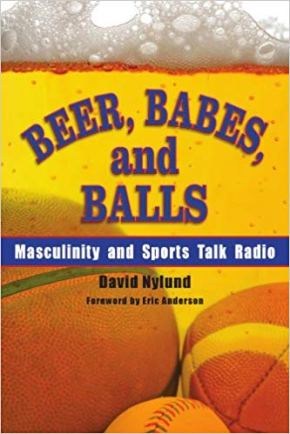 another the Chevy Tahoe. David Nylund explains in his book, Beer, Babes, and Balls : Masculinity and Sports Talk Radio that Sports teams have and currently sponsored radio stations. A possible consequence of this is the lack of freedom, as I said before, for stations/show hosts to provide their audience with negative opinions of their sponsors’ players or personnel, or any issues that place them in a negative light. This can also lead to agenda setting (outside of pushing to advertise certain products) and forcing the radio show to discuss certain topics that they otherwise would not have. For those who have not heard the term, agenda setting, according to John Vivian, is done by media outlets and their owners, not necessarily how the audience should think about a subject, but what the audience should think/talk about.
What are other ways to pay for radio show/station upkeep? There are subscription packages, like Sirius XM radio for cars or TuneIn radio at $9.99/month or $99/year. According to Radio World, audio companies like TuneIn threat radio, just like Netflix is said to threaten cable and satellite television; but that’s story for another day.
Sources:
Beer, Babes, and Balls: Masculinity and Sports Talk Radio by David Nylund
The Media of Mass Communication by John Vivian, 12thEd.
Sports Marketing 2016-2017. Vol. 17th edition by Richard K. Miller & Associates


 Media and Sports