
Stadiums vs. Television
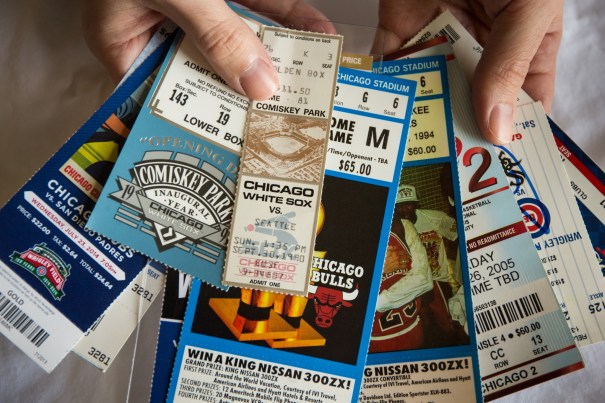
Traditionally, there was one way to watch sporting events. You would buy a ticket and go to the game. Sports coverage over the years has changed tremendously, leading us to the media dependent industry we see today. The rise in Television has influenced the growth of sports allowing sports teams and players to become part of viewers everyday life.

Before television, you were either at the game or you heard about what happened through word of mouth. Once television came along, it allowed sports fans to tune into games straight from their home at their own luxury. Ironically with the convergence of sports, it allowed enormous growth. Although this was great for the viewers, it hurt many of the sports franchises that weren’t very good. Instead of going to the stadium to watch your hometown team compete (this use to be your only option to watch sports), television now gave fans the opportunity to watch teams all around the world. Fans now have the ability to watch and cheer for teams from different areas, where in the past, you might not have been a fan of due to the lack of connection to the team. As you can probably guess, this benefited the good teams and hurt the bad teams. Not only did television effect the teams and fans directly, but also the community. “New York Police reported since Monday Night Football came on the air arrest dropped 16%” – VHS Classics. Over all, television and media has had a positive effect on the sports industry. a study from Science Direct states, “our research shows that there is a positive correlation between the respondents participation in digital social networks and new media literacy.”
Commercials
With the emergence of television, also came the emergence of commercials. Marketing Charts states, “an average TV hour is 36% commercials” (Marketing Charts). Advertising and marketing in the sports world clearly plays a huge roll. According to the Sports Illustrated, Fox was able to charge five million dollars for a thirty second commercial slot for the 2017 Super Bowl (Sports Illustrated). FIVE MILLION DOLLARS! Being a sports fan myself we forget that Sports is not just entertainment, but also a very powerful business. Television opened up a whole new source of revenue in sports, giving everyone involved a platform to make a lot of money while influencing a lot of people.
Sources:
 Media and Sports
This is a really interesting blog post. I never would have considered the fact that television may hurt other franchises in its rise to popularity. The part that blows me away is that the NY police reported that crime actually went down because of Monday night football! Television clearly made a huge impact on marketing sports as you pointed out that a single 30 second commercial during the super bowl costs $5,000,000. That is an dubious amount of money for a company to pay.
LikeLike
It is crazy to think about life before television…even more so when it comes to sports. I liked reading about how commercials have influenced the sports industry and television as a whole. If commercials did not exist how would the industry be different? I wonder if commercials target specific audiences by airing on specific channels? The Super Bowl commercials have always been a favorite for many people. Personally, that is one of the reasons I watch the Super Bowl! Commercials, in this case, lead as a segway into watching sports. I also find it so funny how when you are actually at a sporting event there will be officials who come on the field, court, rink, etc to pause the game specifically for commercials. It’s almost as the sports industry revolves around commercials these days!
LikeLike