
The internet has changed many things in the world of sports. One thing many people don’t realize is how much the internet has changed spending for sports fans. The internet has created new ways for sports markets to increase their revenue from fans through the use of online payments.
Buying Tickets
Early on in sporting, the only way to purchase a ticket was at the stadium or sporting arena itself. Today the world of ticket buying for sporting events goes far
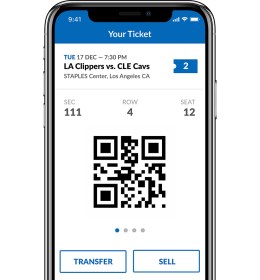 beyond the arena itself. Tickets are now available for purchase online from any computer or smart device. This means that fans can now obtain tickets for their favorite sporting event without having to leave their own couch. The demassification of sporting arenas has lead to an increase in apps and other modes of easing the purchasing process for fans. Fans may select exactly the seats they want based on price range, location, and other factors as well. Fans can even sell their tickets if they have to miss the big game for any reason.
Gambling
Gambling in sports has always been present, but the internet has completely changed the game. Many gambling options have risen to power with the movement towards the  internet in sporting. One of the biggest companies that has risen to power is Draft Kings, an online gambling site that allows fans to gamble for real money on sporting events. Draft Kings started in 2002 and by their fifth year of operation, they were giving over $1 billion weekly during the height of sports seasons. These companies usually make their profit from entrance fees and other ways through which they can take a cut of larger profits. The Government reports that over over 85% of the US population engages in some form of gambling over their lifetime; and reports that there has been a massive increase in legal gambling forms over the past 10-15 years. Most likely this is due to Gambling on websites such as Draft Kings.
Paying to Pay
The internet creates the illusion of convenience to appeal to fans with of easy access, but only for a price. Fans gain the ability to purchase seats online, watch games online, and create  fantasy teams. However, the price of the new material created by the internet comes with regular fees, while subtlety creating a pull method of advertising. The internet helps create the pull method by making sports fans choose what content they look up and in turn helping the advertisement companies target those very fans. Now a days, sporting events have become heavily monetized compared to the past. The internet provides sporting conglomerates like ESPN the ability to dominate much of the sporting world. Most people don’t even know that ESPN is often a great example of synergy by having advertisements for the company that owns them, Disney. The internet gave way to opening sports to new industries like online ticket purchasing, live streaming, fantasy football, and online gambling while raking in millions of dollars for any companies lucky enough to ensnare sports fans.
3 Ways Technology Has Changed the Sports Industry
How the Internet has Changed Sports Gambling
 Fantasy Sports are a major industry spin-off of regular athletic events. It is estimated that 21% of Americans participate in some sort of fantasy sport. The Dark side of Fantasy football as
 Media and Sports